

Trade shows are one of the most expensive line items in your marketing budget – and one of the easiest places to leak revenue. Exhibitors often obsess over booth design, travel, and swag, then treat everything after the badge scan as an afterthought. In our experience, most trade show failures are simply the result of bad preparation.
Effective trade show prep needs to be a connected revenue system. You choose the right show, set measurable goals, build a budget, and work to a realistic timeline. Next, warm up the room with pre-show marketing, train your team to work the floor, and put a plan in place to capture conversations with context. Then you follow up fast, and measure what turns into pipeline. We’ll show you how to prep for a trade show – and prove it was all worth it.
5 Key Takeaways
- The trade shows that pay off share patterns – high concentrations of in-market buyers, strong ICP alignment, and a track record you can validate in your CRM.
- A six-month prep runway gives you room to line up space, shipping, staffing, CRM fields, and a survival kit, instead of cramming everything into the last two weeks.
- Teams that treat qualification as a skill – with clear roles, shared scoring, and visible, welcoming body language – consistently leave with cleaner, more actionable lead lists.
- When capture, scoring, and follow-up are mapped as one workflow, every badge scan already has a next step before the booth comes down.
- Romify connects the whole system, linking on-floor capture, guided qualification, CRM sync, and tiered follow-up into a single, repeatable event engine.
Choosing a Show and Building Your Plan
Trade show prep should begin well in advance of the event. Think of it as a chain of four linked decisions – pick the right show, set specific goals for it, assign a budget that matches those goals, and then build a timeline to make it happen. Break the chain at any point, and you risk flying blind on the show floor.
Evaluating Which Shows Deserve Your Budget
Most exhibitors start with habit or FOMO, but it’s better to start with a scorecard. Look at attendance volume and buyer composition – how many people show up, and how many match the roles that actually sign or influence your deals.
Check the ICP industry alignment to ensure you’re not fishing in the wrong pond. Review net square footage and floor plans from the exhibitor prospectus to see where traffic naturally flows. Then layer in historical performance data from past years so you can compare events on real ROMI.
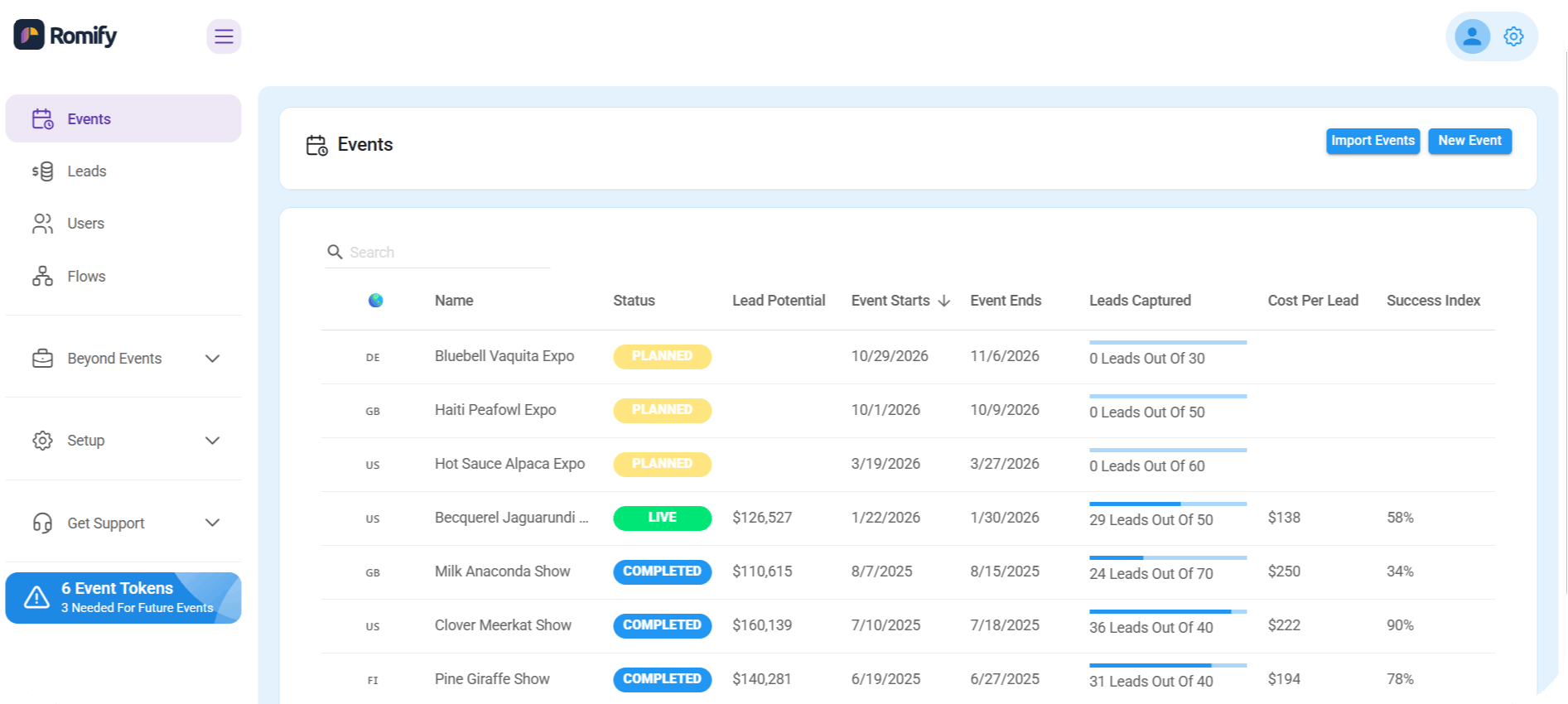
You can find this through CRM reports, or view everything you need in a single dashboard through Romify’s events hub.
Goals That Shape Preparation
Clear goals change how you plan. Lead volume targets, pipeline value, meetings booked, and acceptable CPL ranges all influence which show you pick, how many reps you send, and how hard you invest in pre-show outreach.
Common goals like ‘increase awareness’ or ‘make an impression’ are too vague and fluffy. If a goal doesn’t change how you staff, spend, or market, skip it.
Pre-define KPIs like Cost-per-Lead (CPL), pipeline attributed, lead temperature mix, and revenue closed within 12 months so you can judge whether the show actually worked.
What a Realistic Trade Show Budget Covers
A realistic trade show budget goes well beyond floor space. A simple rule is to expect your total cost to land around three times your space rental fee, once you add travel, shipping, booth design, and on-site labor.
“Hidden costs pile up fast. Electrical, rigging, and material handling are often locked to the official service contractor, and outside reps get stopped or rebooked at premium on-site rates. Build those categories into your budget early so finance doesn’t get surprised and your ROMI math holds up later.”
– Ben Jablow, Romify CEO
Month-by-Month Checklist From Six Months Out
Start six months out and work backward so nothing slips.
- 6 months: Book your space and decide whether you’ll rent or buy your booth and major hardware. Lock in your top two or three target shows if you’re planning a broader calendar.
- 3 months: Finalize shipping. Choose an advanced warehouse vs direct-to-show based on cost, risk, and delivery windows. Place orders with the official service contractor for electrical, internet, furniture, and rigging. Confirm your booth team so travel, calendars, and coverage are settled.
- 1 month: Launch pre-show marketing and meeting outreach. Configure your CRM and event campaigns so every lead lands in the right place. Read the show manual cover-to-cover and confirm every deadline.

Pack a survival kit for the day itself. This should include shipping and hotel confirmations, printed show manual pages, chargers and power strips, zip ties, Velcro, tape, scissors, a small tool set, first aid basics, stain remover, water, snacks, plenty of business cards, and backup signage. And if you’re lucky enough to own a lucky teddy bear, take that too!
Building Pre-Show Momentum That Books Meetings
As we’ve mentioned, trade show success starts before you scan a badge. Most exhibitors fire off one LinkedIn post the week before and call it a campaign. A better approach treats pre-show outreach as a program – build a multi-channel plan to reach your ICP, warm up existing opportunities, and walk into the hall with meetings already on the calendar.
Using the Attendee List to Book Meetings
For larger shows, the attendee list is the highest-intent targeting asset you can buy. Every name is a confirmed registrant, often with job title, company, and sometimes industry or role tags.
Start 4-8 weeks out – cross-reference the list against your CRM, flag target accounts in your pipeline, and identify net-new companies that match your ICP. Then send short, personalized invitations offering specific time slots at your booth or a quiet meeting space nearby. Treat this process like targeted outreach, and you can avoid a ‘lonely booth’ scenario.
Channels That Actually Drive Bookings
Think of pre-show promotion as a mini campaign:
- Email: Segment by relationship stage (customers, active opportunities, cold prospects) and send tailored invites with clear meeting options.
- Retargeting: Run LinkedIn ads against your attendee list 3-4 weeks out to stay in front of registered buyers.
- Social: Use the event hashtag, tag the organizer, and share posts they can reshare from their channels.
- Organizer placements: Use these where you can – event app features, exhibitor listings, and registration email inserts that highlight a clear offer to book time with your team.
Giveaways That Attract Buyers, Not Crowds
Remember that the ultimate goal is pipeline. Generic swag like pens, candy, and tote bags attracts passersby who don’t match your ICP and rarely convert. Instead, anchor your giveaways around time and value. Consider scheduled demos with limited slots, hands-on product trials, or short consultations that solve a real problem for your best-fit buyers.
Add ICP-specific rewards – for example, a workshop seat, a relevant book, or premium access to a resource – and plan them weeks in advance as part of your marketing.
Pre-Show Mistakes That Kill Momentum
Most trade show exhibitor mistakes actually start months before a show opens. Skipping the show manual often leads to missed service deadlines, rush fees, and last-minute scrambles with the official contractor. Ignoring pre-scheduled meetings means you’re relying on random foot traffic instead of walking in with a calendar.
Budgeting only for floor space and forgetting the 3x multiplier leaves you short when shipping, labor, and exclusive services hit. Finally, treating pre-show outreach as a single announcement instead of a 4-8 week campaign almost guarantees quiet booths and underused staff.
Training Staff to Qualify Leads
Collecting leads means scanning every badge that wanders near your carpet. Qualifying leads means having fewer contacts with richer context and a real chance of turning into revenue. The gap between those two approaches is where most trade show ROI disappears, and it’s usually a training problem.
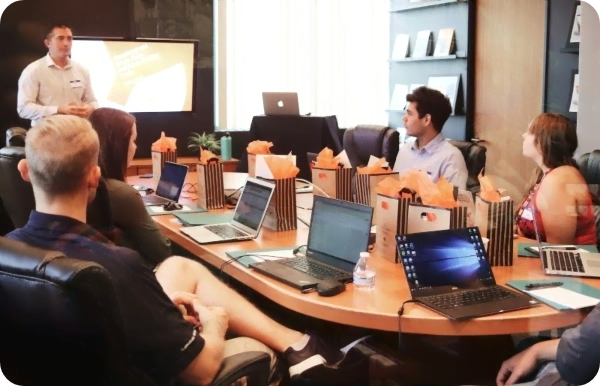
Most guides say ‘train your team’ and stop there. But you need a simple scoring system, clear roles, and shared habits so every rep works potential leads in the same way.
Qualifying Questions Every Rep Needs
Give your team a BANT-style scoring framework so everyone speaks the same language. Here’s one way to score it:
For each conversation, score Budget, Authority, Need, and Timeline from 0-3. Next, add them up – 10-12 is hot, 5-9 is warm, 0-4 is cold.
The trick is to keep questions natural:
- “What are you working on right now?” uncovers Need.
- “Who else is involved in evaluating tools like this?” probes Authority.
- “What brought you to the show this year?” replaces “Can I help you?” and opens the door to Budget and Timing without sounding like an interrogation.
Structuring Booth Roles and Handoffs
A simple two-tier model keeps energy high and conversations focused.
Ambassadors work the perimeter, starting light conversations, scanning badges, and doing quick BANT scoring. Once a lead hits warm or hot, they hand off to an internal rep for deeper, technical, or commercial discussion, using a one-sentence context summary (e.g., ‘Mid-market SaaS CMO, launching a new product line, evaluating reps for go-to-market support’).
Start each day with a 10-minute huddle to review what’s working, common questions, and any tweaks to coverage so no one burns out and high-value leads never wait around.
Body Language That Drives Engagement
Booth behavior is a skill that can be learned by almost anyone. Use an ‘orbital’ approach – edge reps face the aisle with open posture, ready for quick eye contact and light questions, while deeper in the booth, you reserve space for longer demos and seated meetings.

People naturally gravitate to open, welcoming stances near the aisle. Booth-edge reps with open posture outperform back-wall sitters. Train out phone scrolling, rep clustering in a defensive semicircle, sitting during peak aisle traffic, and talking inward to each other instead of outward to attendees.
What the Training Session Should Cover
Run a 60-90 minute session about a week before the event so everything stays fresh. Start with product fluency – what you’re showing, who it’s for, and the problems it solves. Then practice the qualification framework with role plays, assign booth roles, and rehearse warm-to-hot handoffs.
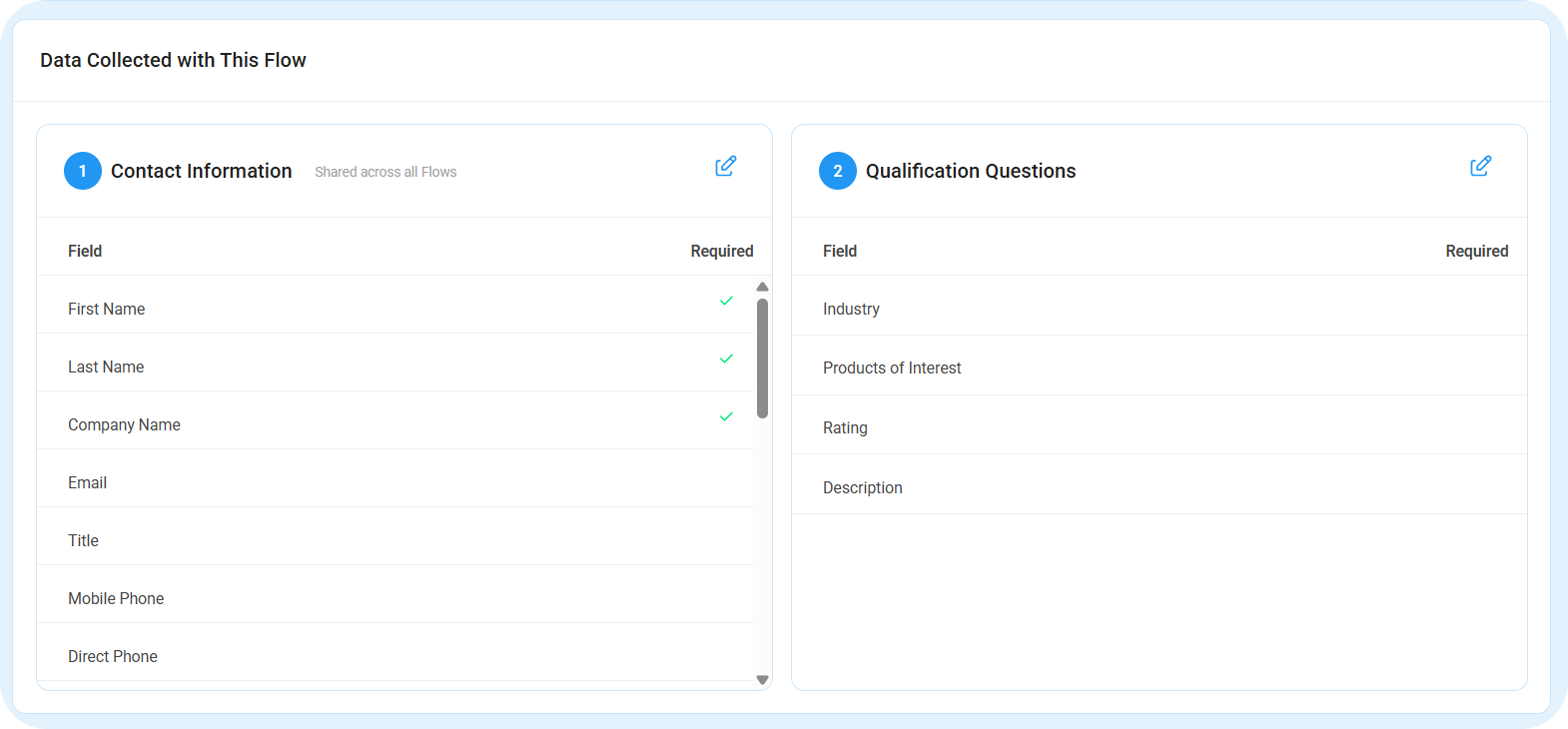
Walk through your tech to avoid any mistakes on the day, and choose your tools wisely. Mobile-first tools like the Romify App include personalized, guided flows that are easy for anyone to use. Reps can capture and qualify leads on mobile via a series of screen taps, reducing training time and keeping conversations in full flow.
Finish with show goals, KPI reminders, and a live practice round where reps test their opening lines, questions, and note-taking in real time. Fail to prepare, and you’re preparing to fail.
Capturing and Following Up on Leads
Most trade show leads die between a good conversation and a messy spreadsheet. When your capture tools, CRM, and follow up emails work as one flow, those badge scans turn into a real pipeline instead of forgotten lists.
CRM Setup as a Pre-Show Task
Set up your CRM before you land on-site – do it after the event, and the energy is gone.
Skip this stage, and your badge scans end up as a CSV in someone’s inbox for two weeks, awaiting evaluation, while potential leads forget all about you.
Lead Capture Workflow on the Floor
Treat qualification as part of capture. As soon as you scan a badge or card, add your BANT score while the conversation is still in your head. Then jot one or two concrete notes about the problem, use case, or potential outcome of the discussion.
Your workflow becomes:
Capture > Score > Notes > Push to CRM with a hot/warm/cold tag > Trigger follow-up > Track
This single habit shift does more for your ROMI than anything else.
A Follow-Up Sequence That Converts
Draft your core follow-up email ahead of the show so you’re not writing from scratch.
- Hot leads get a proactive response within 24 hours, a recap of what you discussed, a demo link, and a named rep.
- Warm leads receive a useful resource around days 3-5, a personal check-in on days 7-10, and a clear demo invite in week two.
- Cold leads enter a lighter nurture stream with educational content, and you requalify them at future events.
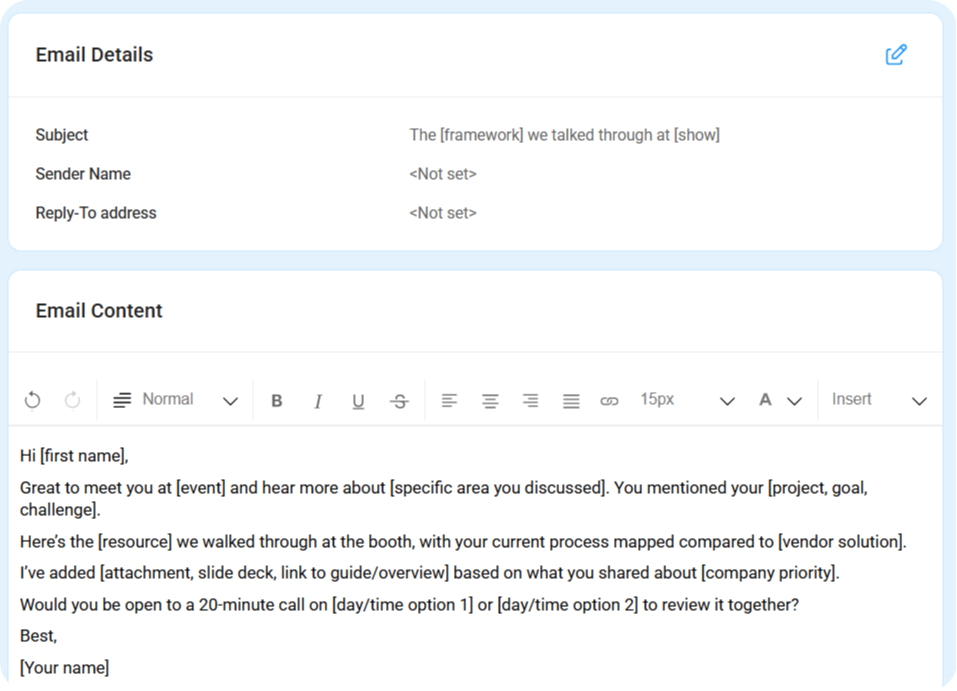
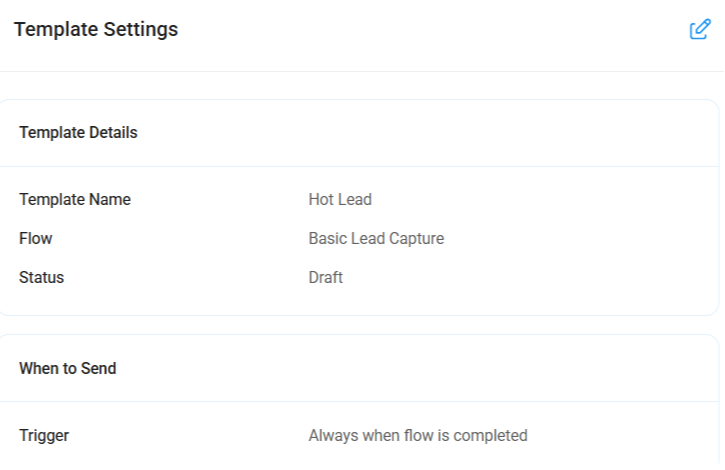
Here’s an example of a hot lead email template, created in the Romify dashboard. Reps are able to personalize their response as soon as the booth conversation ends, while everything is still fresh in their minds:
The Golden Rule: Everyone hears from you within the first day if they’re hot, and within the first week if they’re not.
How Romify Connects the Full System
If you want trade show prep to feel like one connected revenue engine, your tools have to behave that way too.
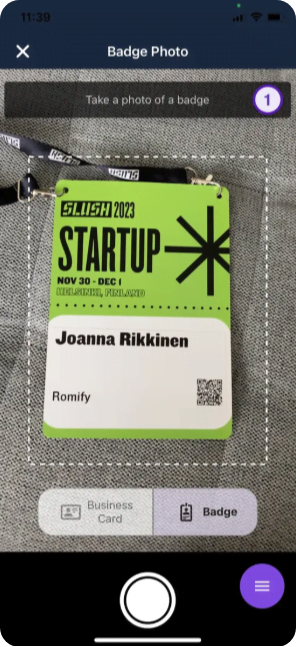
The Romify App lets booth teams capture leads at any event by scanning badges, scanning business cards, or entering details manually, without depending on organizer APIs or specific QR formats.
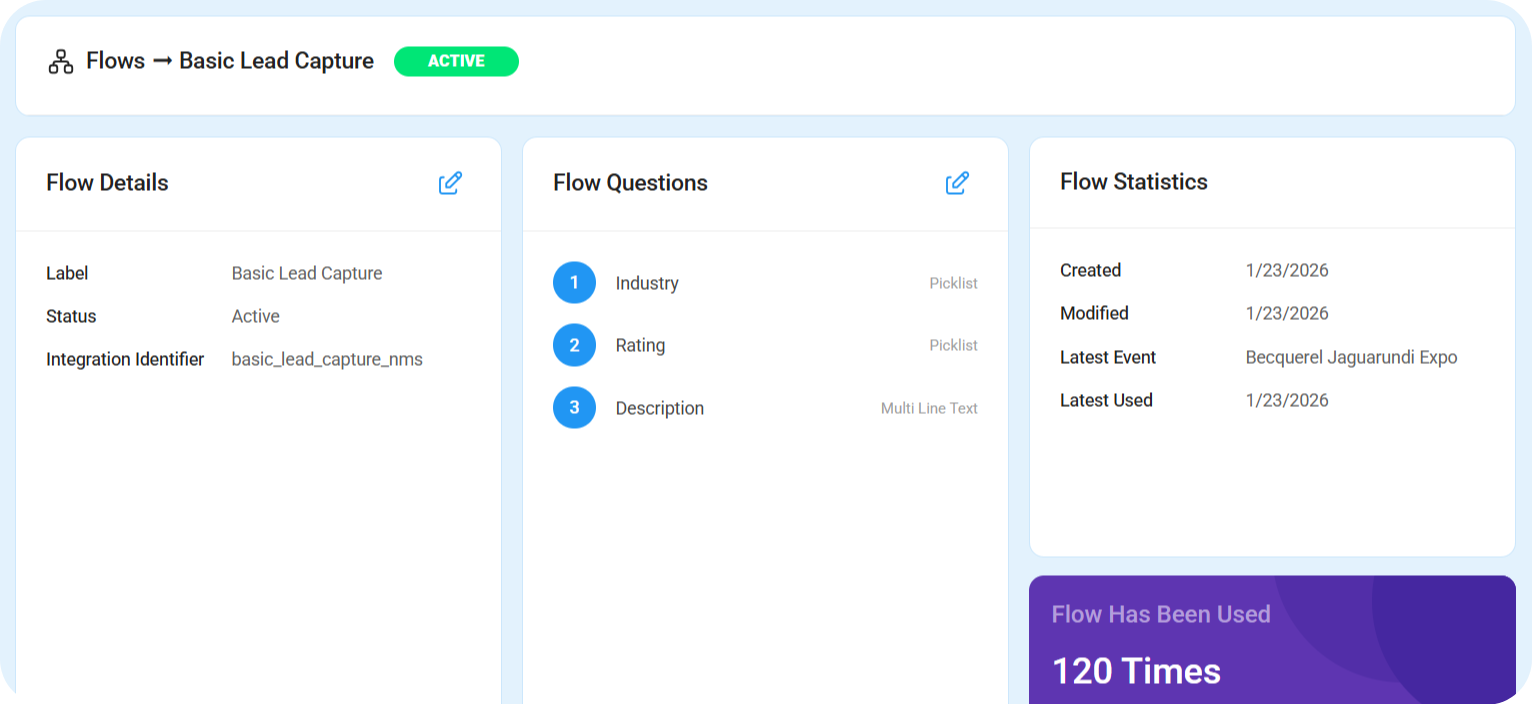
Romify Flows guides reps through qualification questions during capture, so BANT scores and notes land in the record while the conversation is still fresh. As soon as a lead is saved, Romify can send a personalized follow-up email in about 30 seconds, closing the gap where most competitors lose momentum.
Behind the scenes, native Salesforce and HubSpot integrations handle field mapping, duplicate prevention, and task creation, so enriched, qualified leads arrive where your sales team lives.
Over time, each show’s data – lead volume, CPL, pipeline value, and conversion rates – feeds back into your planning, so show selection, staffing, and budgets get sharper with every event.
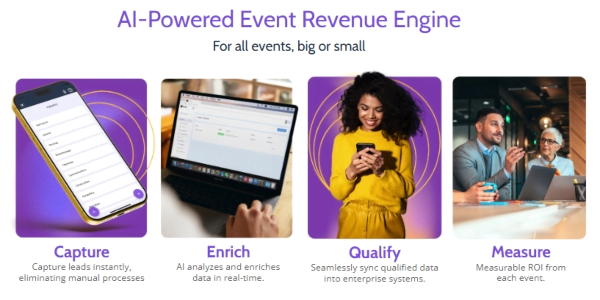
Romify brings capture, qualification, follow-up, and ROMI tracking into one system for every live event – get your prep right using our framework above, and our event revenue engine takes care of the rest. To see the full chain in action, request a demo today.