

You know the pattern. The booth was busy, the team came home exhausted, and then finance asked for pipeline numbers, only to be met with silence.
Marketing budgets generally take up 7.7% of company revenue, which leaves very little room to experiment once salaries, tech, and always‑on channels are covered. At the same time, 59% of CMOs feel that level of budget doesn’t cover the strategy they’re expected to deliver, so every line item is under pressure.
In that environment, events that can’t show clear pipeline or ROMI are the first to be cut at the next budget review, no matter how busy the booth felt.
This guide gives you a clear B2B event marketing strategy, built around a 40‑20‑40 framework that splits effort across pre‑event planning, onsite execution, and post‑event follow-up. You’ll get specific KPIs for each phase so you can turn busy booths into genuine pipeline, ROMI, and reports your finance team will actually trust.
5 Key Takeaways
- Events work best when you treat the show floor as the middle part of a wider strategy – most of the real work happens before and after.
- Qualification, context, and timely follow-up are what separate pipeline from a bloated contact list.
- Your KPI list should be short and aggressive – meetings pre-booked, qualification rate, 48-hour follow-up, and cost per qualified lead.
- ‘Event-influenced’ pipeline will survive CFO scrutiny far better than single-touch ‘event-sourced’ claims when budgets are tight.
- If you’re still juggling scanners and spreadsheets, Romify shows what a real event revenue engine looks like – instant capture, enrichment, qualification, and follow-up in minutes.
The 40-20-40 Event ROI Formula
The 40-20-40 formula, introduced by Evelyn Bozak, VP of Field Marketing at ZoomInfo, splits your effort into 40% pre-event, 20% onsite, and 40% post-event. Pre-event work focuses on pipeline you can influence before anyone steps on a plane – account targeting, outreach, and meeting booking.
Your pre-event goals should be clear – arrive with a meaningful slice of your dream list already on the calendar, then use the event to deepen and expand those conversations. The final 40% is where you either prove event ROMI or lose it.
Post-event, you should track pipeline creation and movement at 30, 60, and 90 days so you can show exactly how event spend converts into qualified opportunities and revenue.
Pre-event Work Decides Your Pipeline Outcome
Event pipeline is decided weeks before anyone walks the floor. Sales and marketing alignment runs through every step – without it, even a packed booth struggles to show revenue impact.
Set KPIs Before You Book a Booth
Start with a joint sales-marketing kickoff where everyone agrees on what ‘good’ looks like for this event. Anchor on a small, concrete KPI set – pipeline generated, qualified meetings held, and cost per qualified lead.
A sales-marketing consensus might sound obvious, but Forrester’s Marketing Alignment Survey found that 65% of professionals still see a lack of alignment between their leaders, which means most teams walk into events with different definitions of success.
When both teams sign off on the same numbers upfront, the event stops being a vague brand exercise and becomes a shared revenue project instead of two disconnected efforts.
Build the Promotion Cadence That Books Meetings
Begin outbound and customer outreach 3-4 weeks before the event so you’re not relying on random badge scans to hit your targets. Use a clear cadence across email, SDR touches, and customer success outreach aimed at landing calendar invites. These need to be more than vague ‘see you there!’ notes.

The goal is a simple one – arrive with most high-value meetings already booked, then use booth traffic as an upside rather than your primary plan.
Use Virtual Sessions to Warm Leads Early
Run a focused virtual session or webinar in the weeks leading up to the event to warm accounts and gather intent data. Attendance, questions, and content engagement give you talking points and priority tiers for onsite conversations, so reps aren’t starting from zero at the booth.
Most strong B2B portfolios now treat virtual as a separate, complementary track rather than forcing simultaneous hybrids that split attention and dilute both experiences.
Set up Lead Capture Before You Arrive
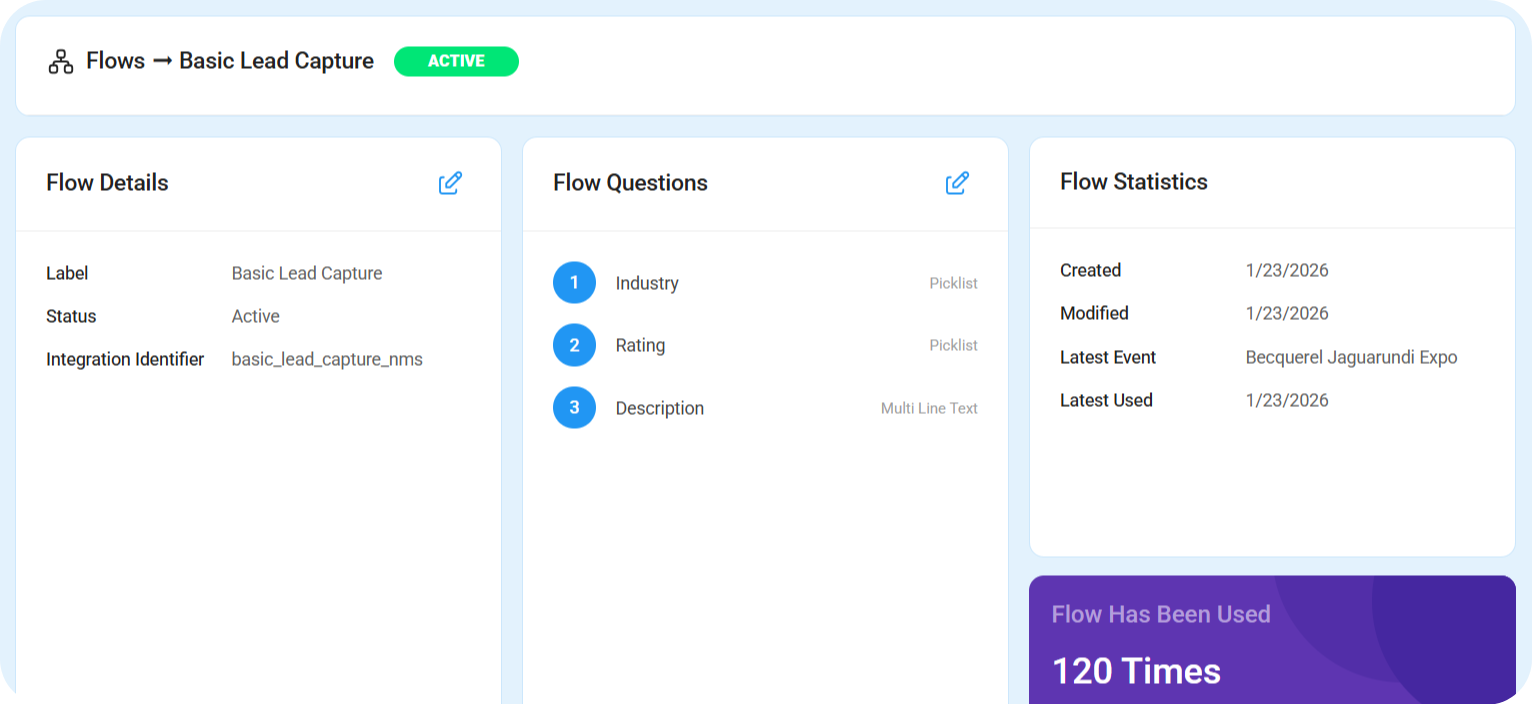
Configure qualification flows, follow-up templates, and CRM field mappings in advance so every scan creates a usable, enriched record instead of a cleanup project. Do this during the event, and you’re wasting time that should be spent working the floor.
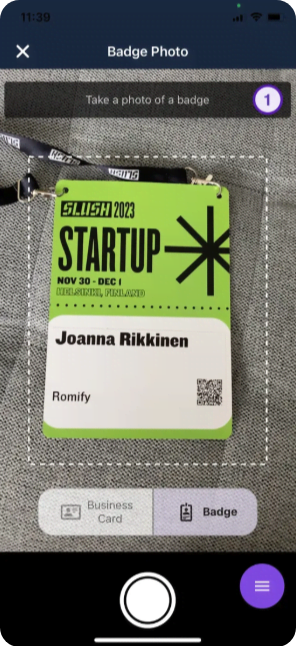
An event revenue engine like Romify handles this upfront work with lead capture, mobile-first Flows to enrich your data, instant follow-up emails, and CRM Sync that’s ready before your team even lands at the venue.
Onsite: Qualify Conversations, Not Just Badges
Most onsite processes still follow the scanner-spreadsheet-delay pattern – scan a badge, export a CSV days later, upload to the CRM, then send a generic follow-up.
That loop breaks the whole 40-20-40 framework because you lose the context that makes a lead worth pursuing. Prospect qualification is more important than sheer prospect numbers when it comes to onsite success.
Why Conference Lead Generation Fails at Qualification
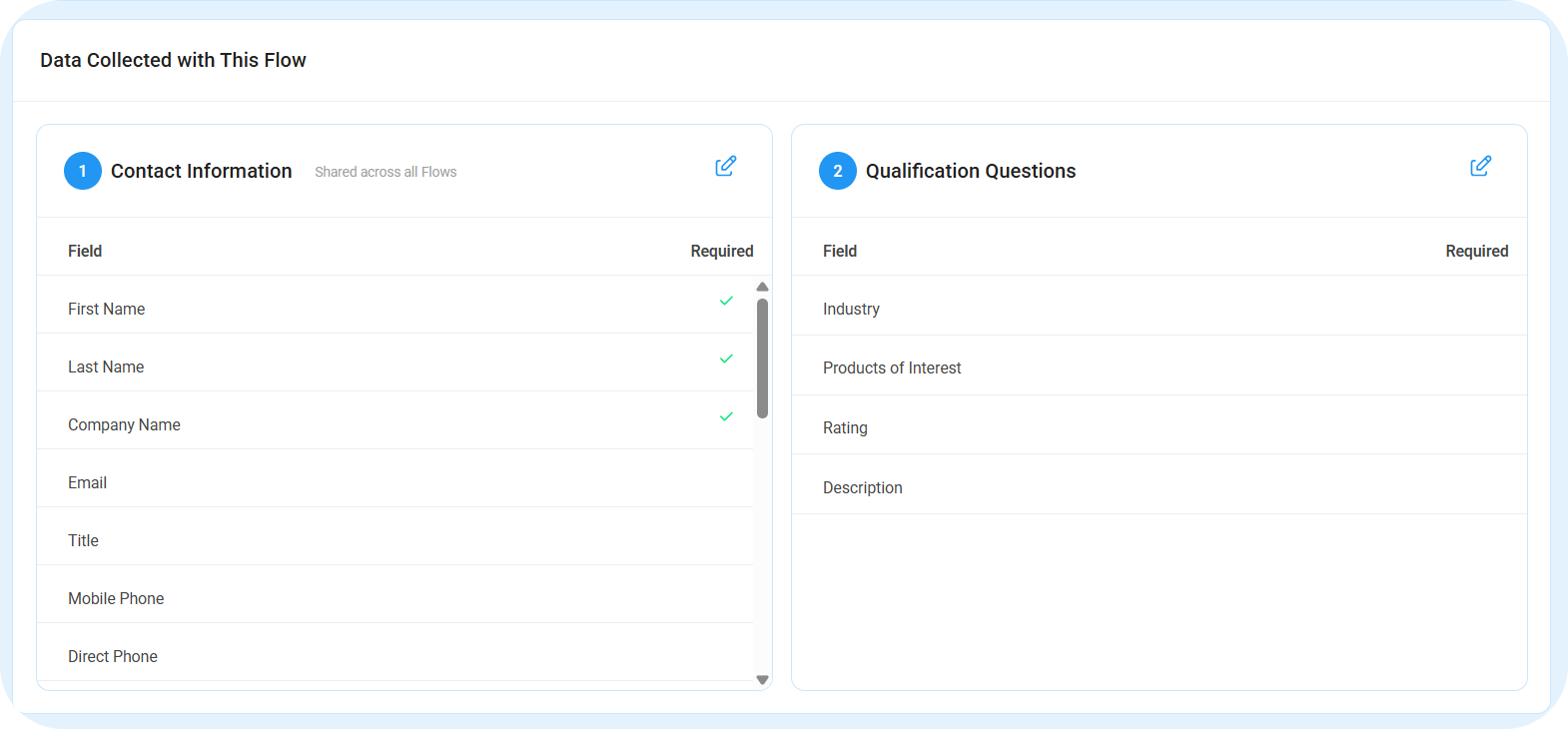
Conference lead gen usually fails at the exact moment it looks successful – when your CRM fills with new records. You get names, job titles, and maybe company size, but no information about pain points, buying timeline, budget, or project scope.
Networking Formats That Build Deal Momentum
Different event formats create different qualification dynamics, so you should measure them on worth over volume:
- Trade shows generate high volume and surface-level interest – they’re ideal for broad pipeline generation but weaker for deep discovery.
- VIP dinners trade volume for much higher conversion, because a smaller, curated group gives you time for detailed discovery and multi-threading an account.
- Executive roundtables sit in the middle – they create strong buying signals as peers share challenges, compare tools, and pressure-test ideas in front of each other.
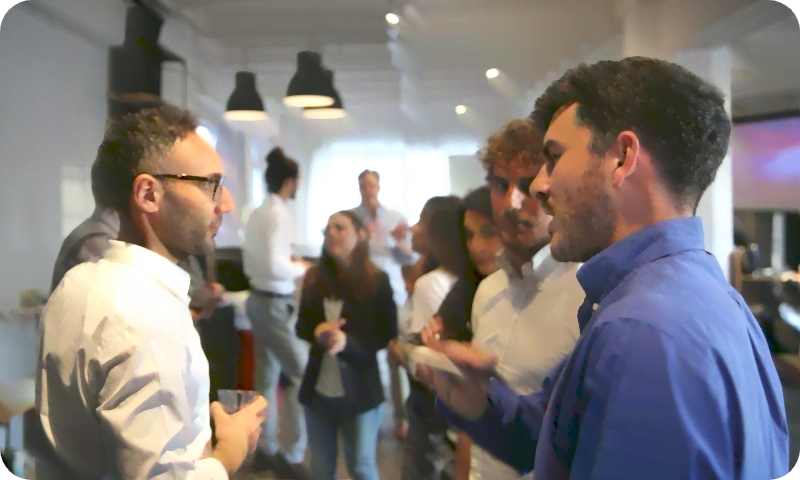
People at a networking event
Whatever mix you run, Romify works at any event without organizer APIs, so your team captures rich context at a 700-person trade show, a 10-person dinner, or a boardroom roundtable using the same event-agnostic engine.
Post-event: The 48 Hours That Convert Pipeline
Most teams treat post-event work as a wind-down – expense reports, booth teardown, and a notion to follow up on everything the following week. But deal momentum fades fast.
The post-event 40% is where speed, segmentation, and CRM discipline decide whether those conversations turn into qualified pipeline or drift into a cold nurture list.
This phase comes down to three things: a clear follow-up timeline, content that extends the event, and a clean connection to your CRM.
Segment Follow-up by Lead Tier and Send Within 48 Hours
Treat the first 48 hours as your conversion window, and segment follow-up by lead tier instead of blasting one recap email to everyone.
- Hot leads – active projects, budget, clear timeline – should get personalized outreach within 24 hours. This should be a short email that references your conversation and proposes a concrete next step.
- Warm leads – interested but earlier-stage – can enter a nurture sequence starting around Day 3, with content that deepens education and sets up a meeting within the month.
- Nurture-tier contacts move into a slower drip from around Day 14, staying close without overloading their inbox.
“Romify’s follow-up emails can be sent within about 30 seconds of capture based on qualification answers, so by the time your team gets home, every lead has already received a timely, relevant touch.”
– Ben Jablow, Romify CEO
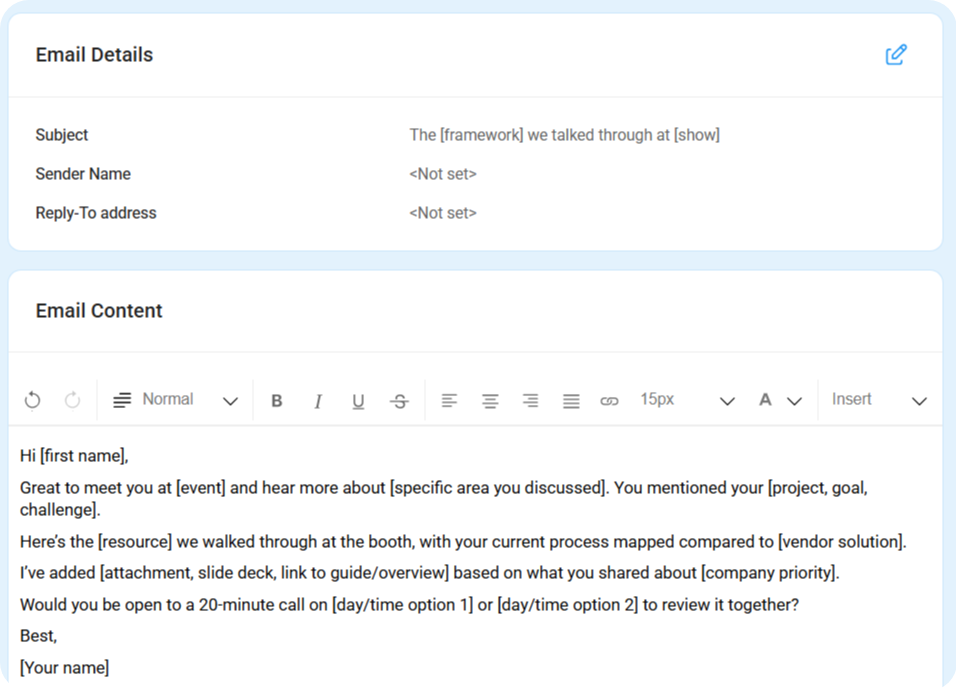
Follow-up email templates for different lead types (e.g. hot, warm, cold) can be created in the dashboard pre-event, so reps can fill in the blanks at speed and have them sent in no time at all. In the background, all qualification data is automatically synced to your CRM, so everything is ready for further touchpoints down the line.
On-Demand Content and Hybrid Event Relevance
Post-event, your goal is to stay in touch with people who showed interest instead of going quiet once everyone leaves the venue. The easiest way to do that is with on-demand content you can share after the event – things like session recordings, short recap videos, or a small bundle of links related to the topics they cared about.
That’s also where hybrid events come into play. Hybrid simply means you mix in-person and online touches around the same program – some people attend in the room, others join virtually, or catch up with recordings later.
Virtual sessions before the event to warm accounts, the in-person event itself to build relationships, and virtual content afterward to reinforce value and support follow-up.
Connect Post-event Activity to CRM Pipeline
Tag every event-touched lead and opportunity using campaigns in Salesforce or HubSpot, then track pipeline creation and movement at 30, 60, and 90 days.
This simple structure lets you answer questions like “What did this event add to our pipeline?” instead of arguing over anecdotal wins.
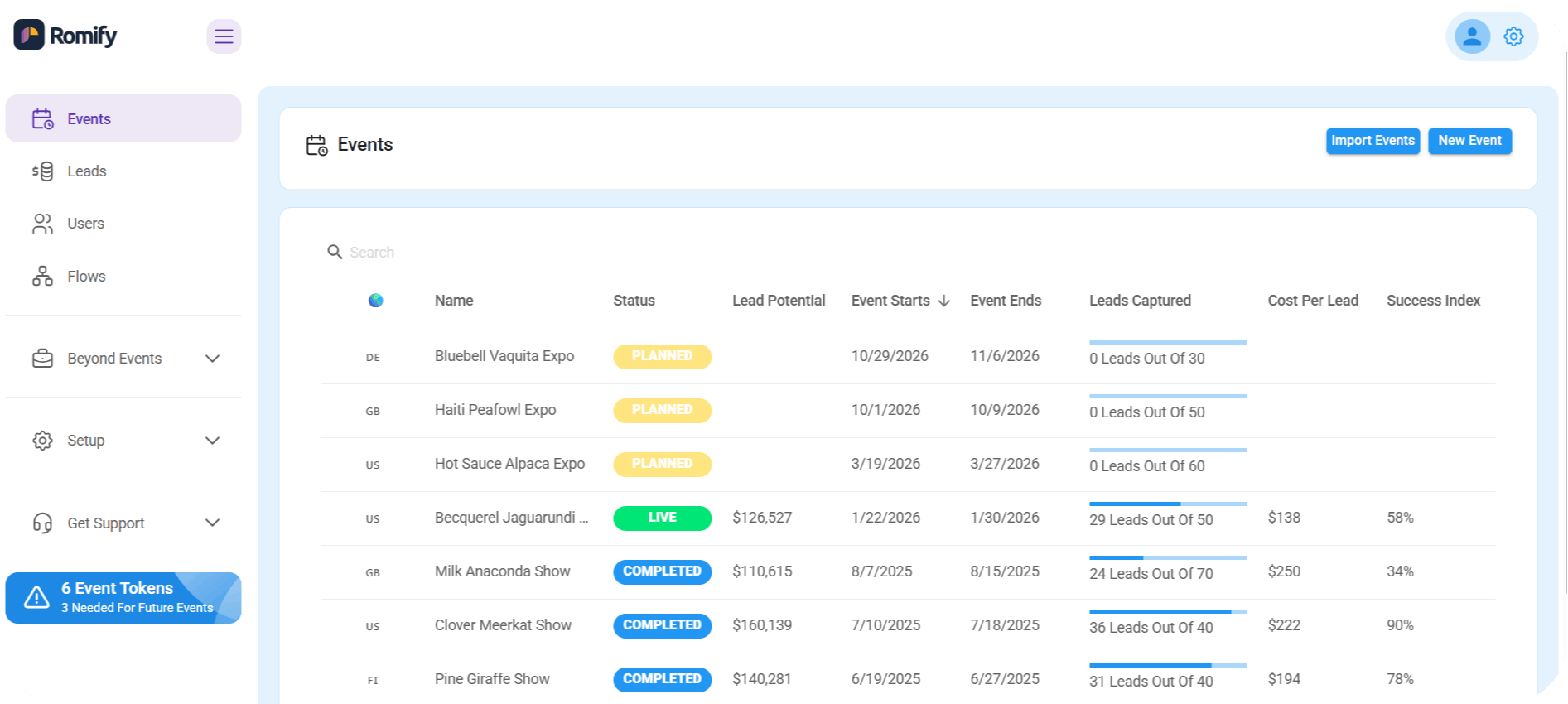
Romify Hub automates a large share of this work. It syncs enriched leads into your CRM with proper field mapping, attaches them to the right campaigns, and gives you a single view of events, spend, and resulting pipeline so you can defend the next event budget with data instead of gut instinct.
KPIs That Prove Event ROI
To prove event ROI, you need numbers that map cleanly to the 40-20-40 phases instead of a single ‘leads generated’ slide. Use the KPIs below as a starting scorecard, then refine over time as your process matures.
|
Phase |
KPI |
Benchmark / target |
|---|---|---|
|
Pre-event |
Registration-to-attendance rate |
Typical range 40-60% for free B2B events |
|
Pre-event |
Target meetings pre-booked |
|
|
Onsite |
Qualification rate |
% of leads with complete qualification data vs. badge-only (track internally) |
|
Onsite |
Meetings completed vs. booked |
Track no-show rate to refine targeting |
|
Post-event |
Follow-up sent within 48hrs |
100% of hot leads, no exceptions |
|
Post-event |
Pipeline influenced at 30/60/90 days |
Track trajectory, not a single snapshot |
|
Post-event |
Cost per qualified lead |
Total event cost ÷ leads with complete qualification data |
When you present results, emphasize event-influenced rather than event-sourced pipeline, since multi-touch attribution stands up better in CFO conversations. Romify’s Hub supports this style of reporting with CRM Sync, campaign tagging, and event performance dashboards that replace error-prone spreadsheet reporting with a single view of pipeline impact.
Building Your Event Program From the Next Event Forward
Don’t rebuild your entire event strategy in theory. Take your very next event and apply the 40-20-40 split:
- 40% of effort into pre-event targeting and booked meetings.
- 20% into onsite qualification.
- 40% into fast, segmented follow-up.
Measure against the benchmarks in this guide so you can see where the motion holds and where it breaks.
If your current tools can’t support real-time capture, qualification, and post-event reporting, see how Romify can turn your event conversations into measurable results.
FAQs
How can I integrate ABM into my event strategy?
Treat events as high‑density touchpoints for the accounts already on your Account Based Marketing (ABM) list.
Build your pre-event outreach and onsite plan around those accounts first, then route every captured contact to the right existing CRM account, so you enrich what you already know.
An event revenue engine like Romify supports ABM by pushing enriched leads into Salesforce or HubSpot via CRM Sync and field mapping. Your existing ABM orchestration can pick them up without extra manual work.
What are the common pitfalls that kill event ROI?
Three patterns show up again and again:
- Over‑indexing on the onsite 20% while under‑investing in pre‑event planning and post‑event follow-up.
- Sending the same generic recap email to every lead regardless of fit or intent.
- Chasing raw attendance instead of curating the right audience.
A final, expensive trap is sales-marketing misalignment on what a qualified event lead looks like, which research has shown remains a widespread issue in B2B teams.